Bellingham, WA
9.21.26
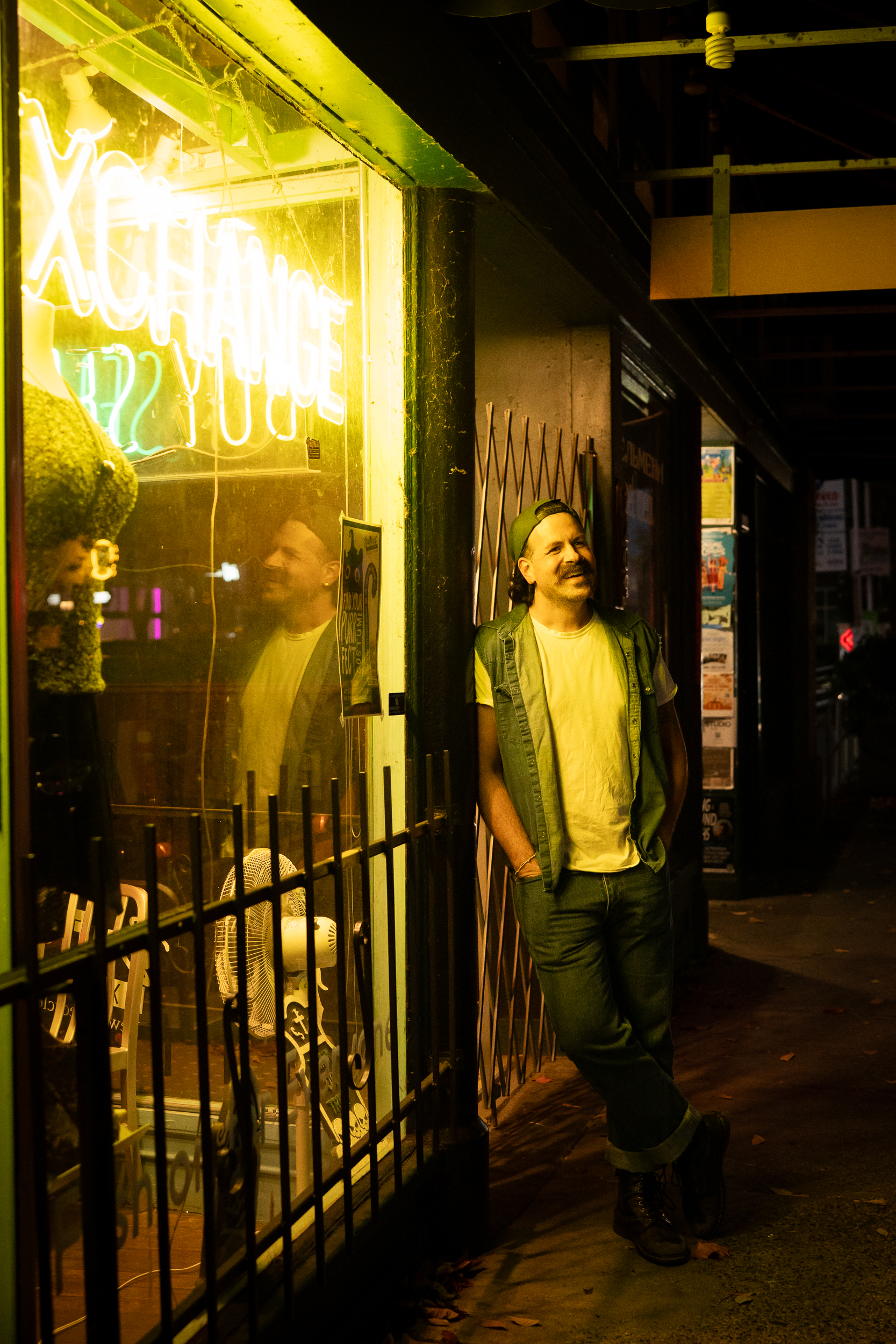
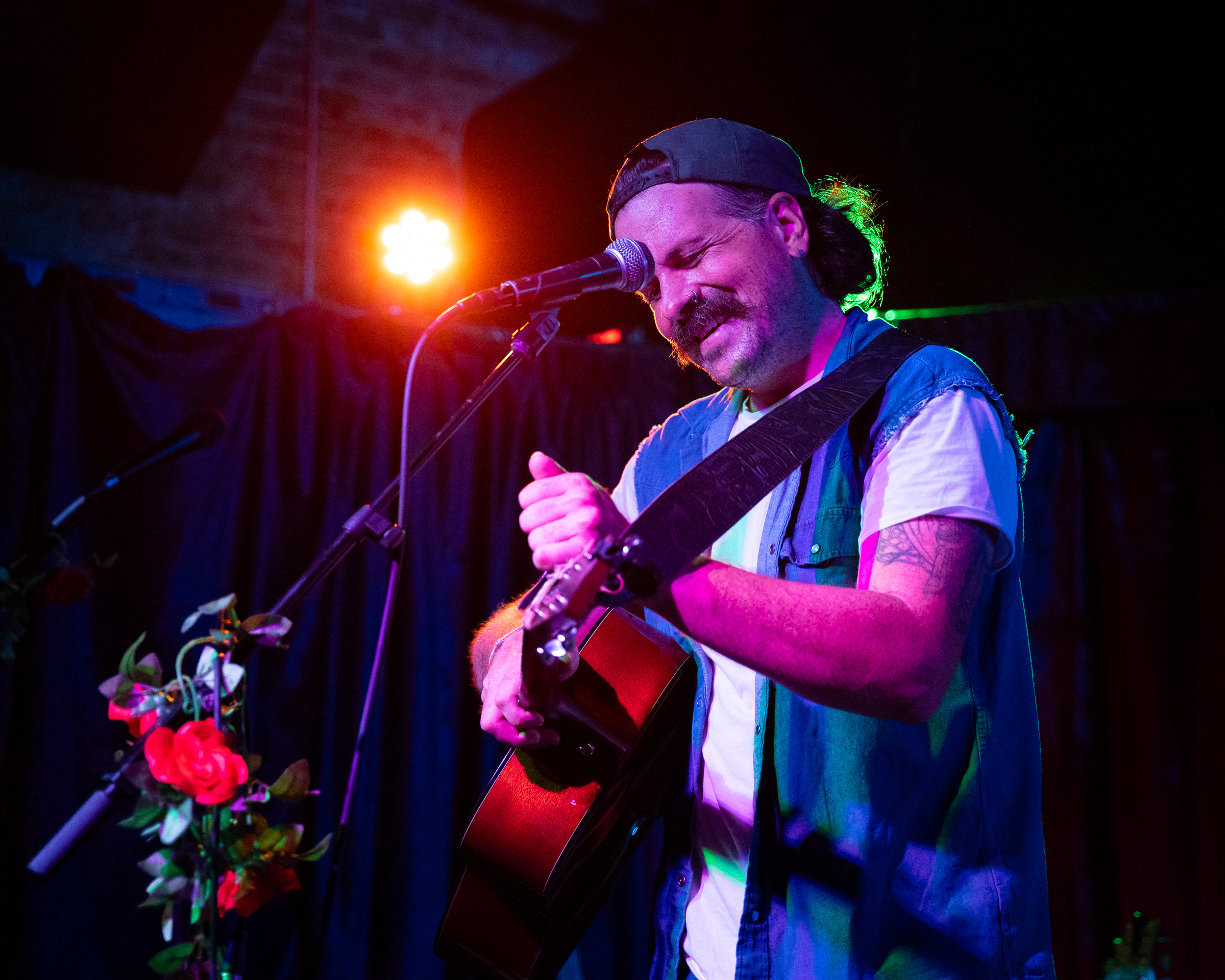
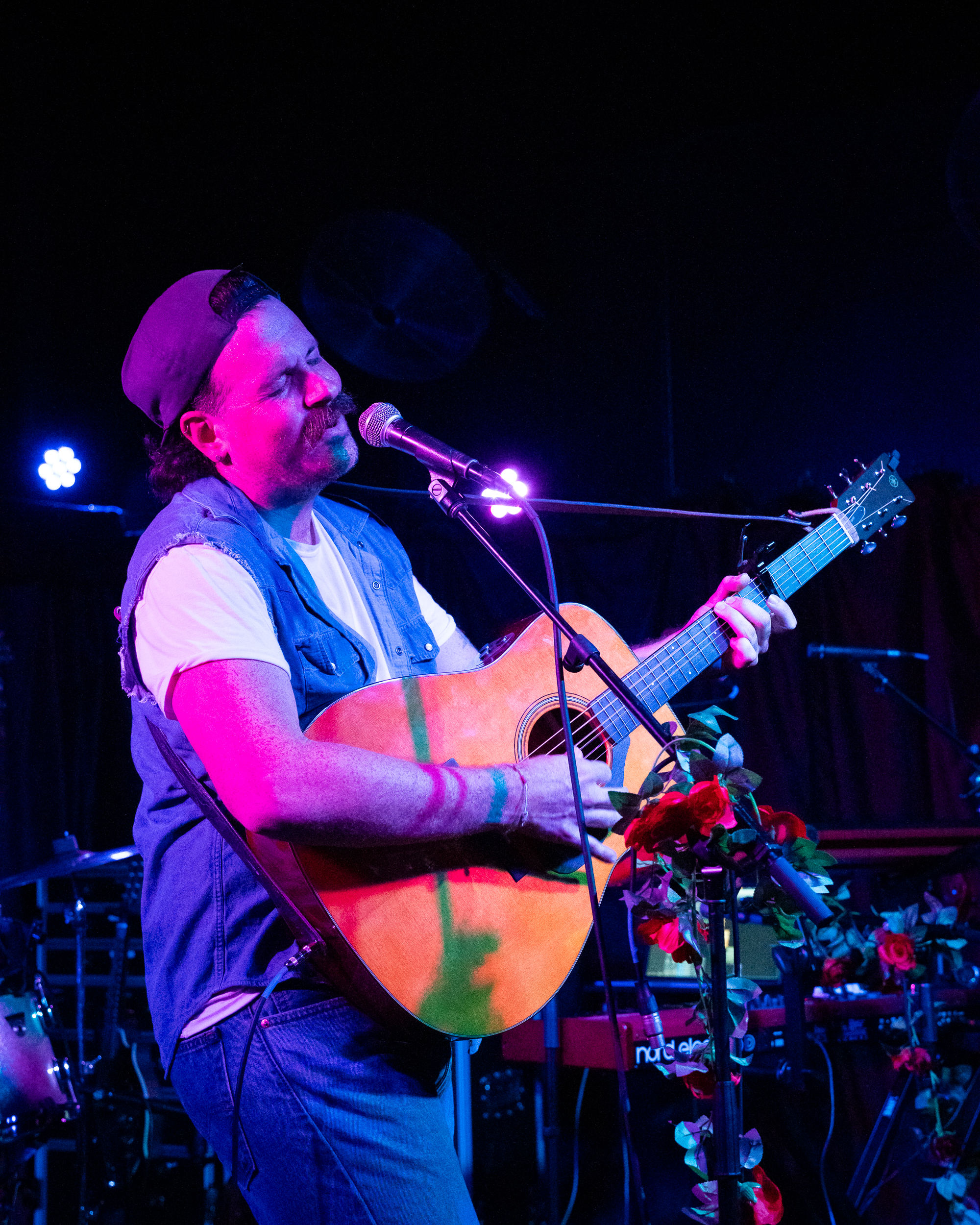
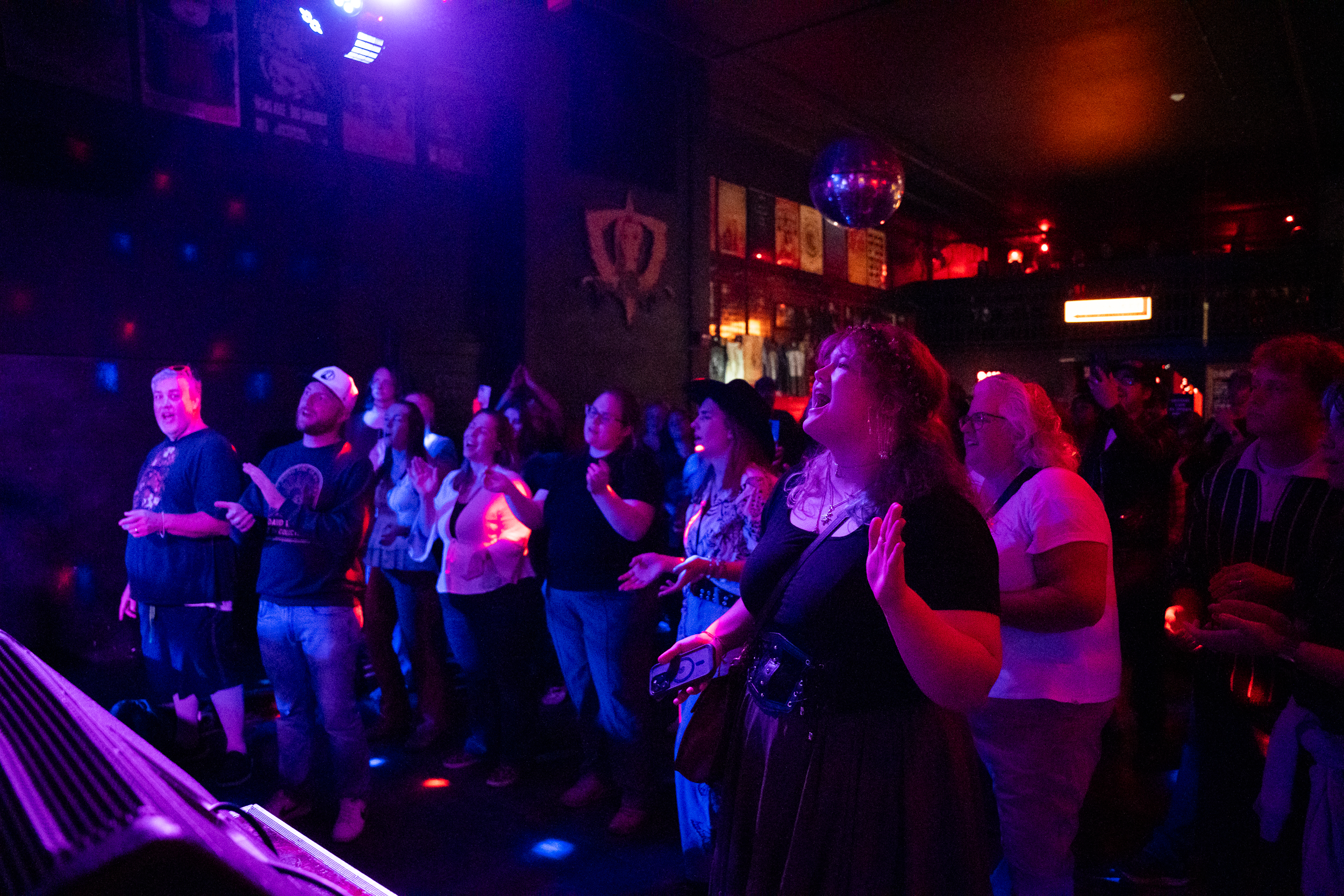
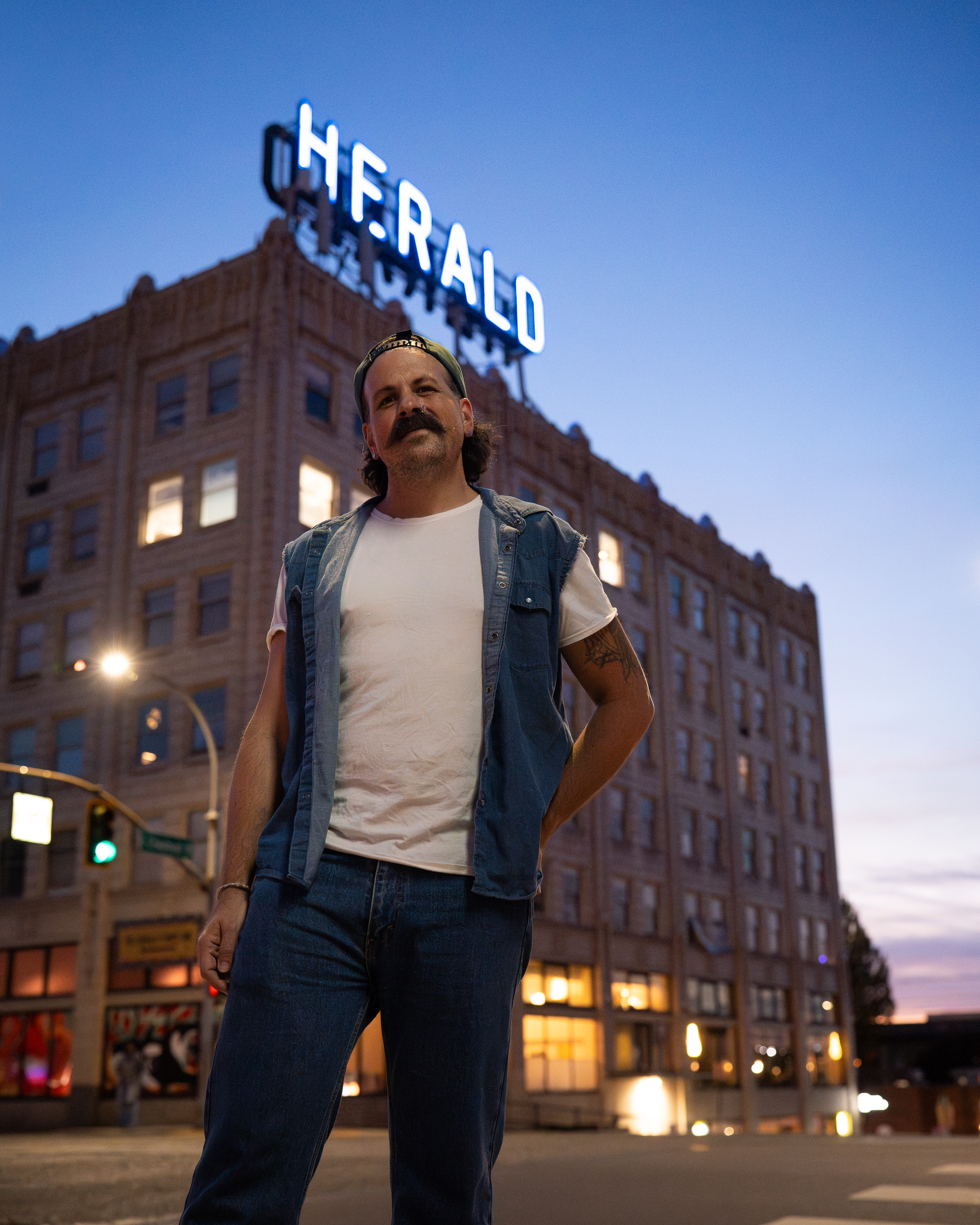
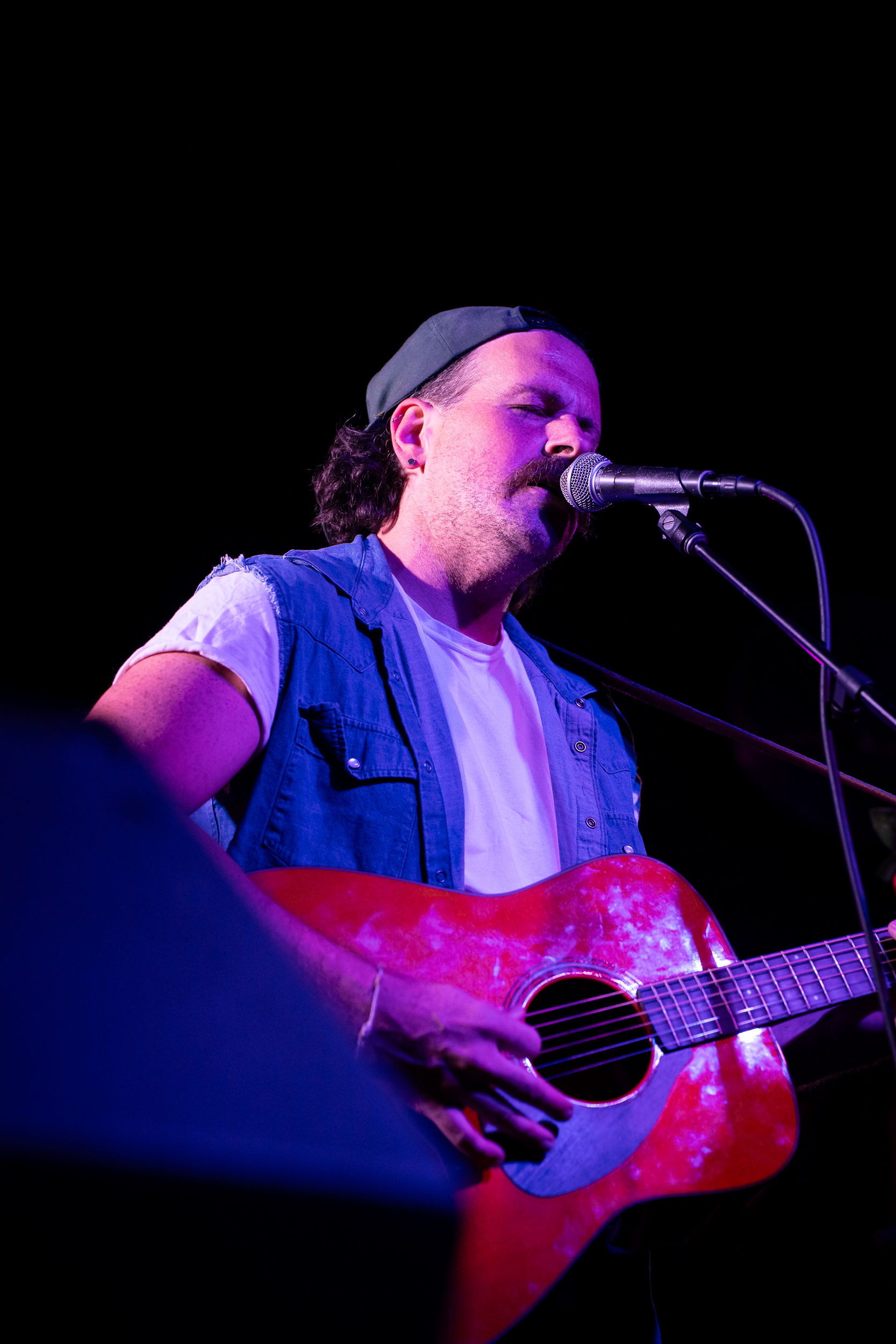
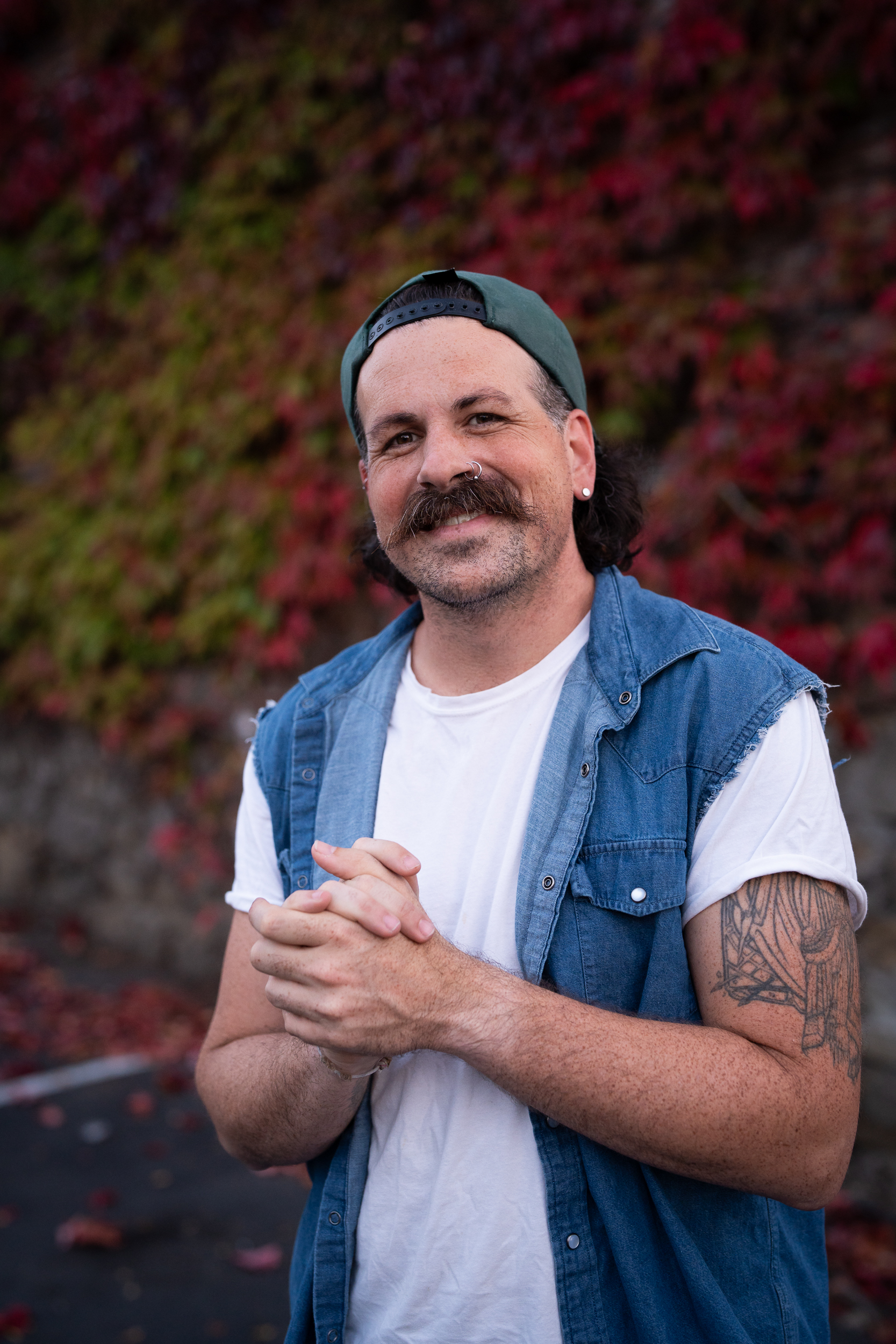
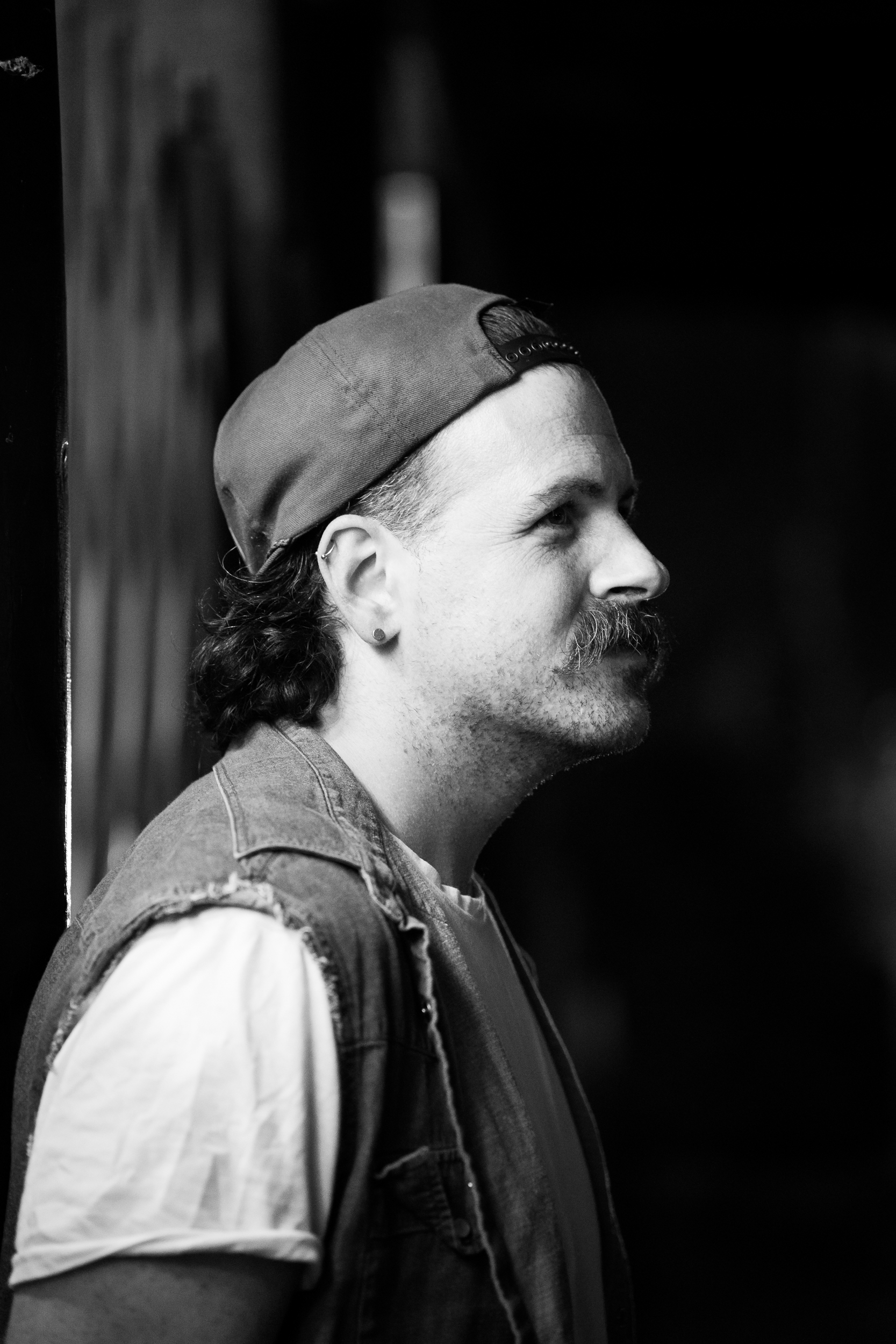
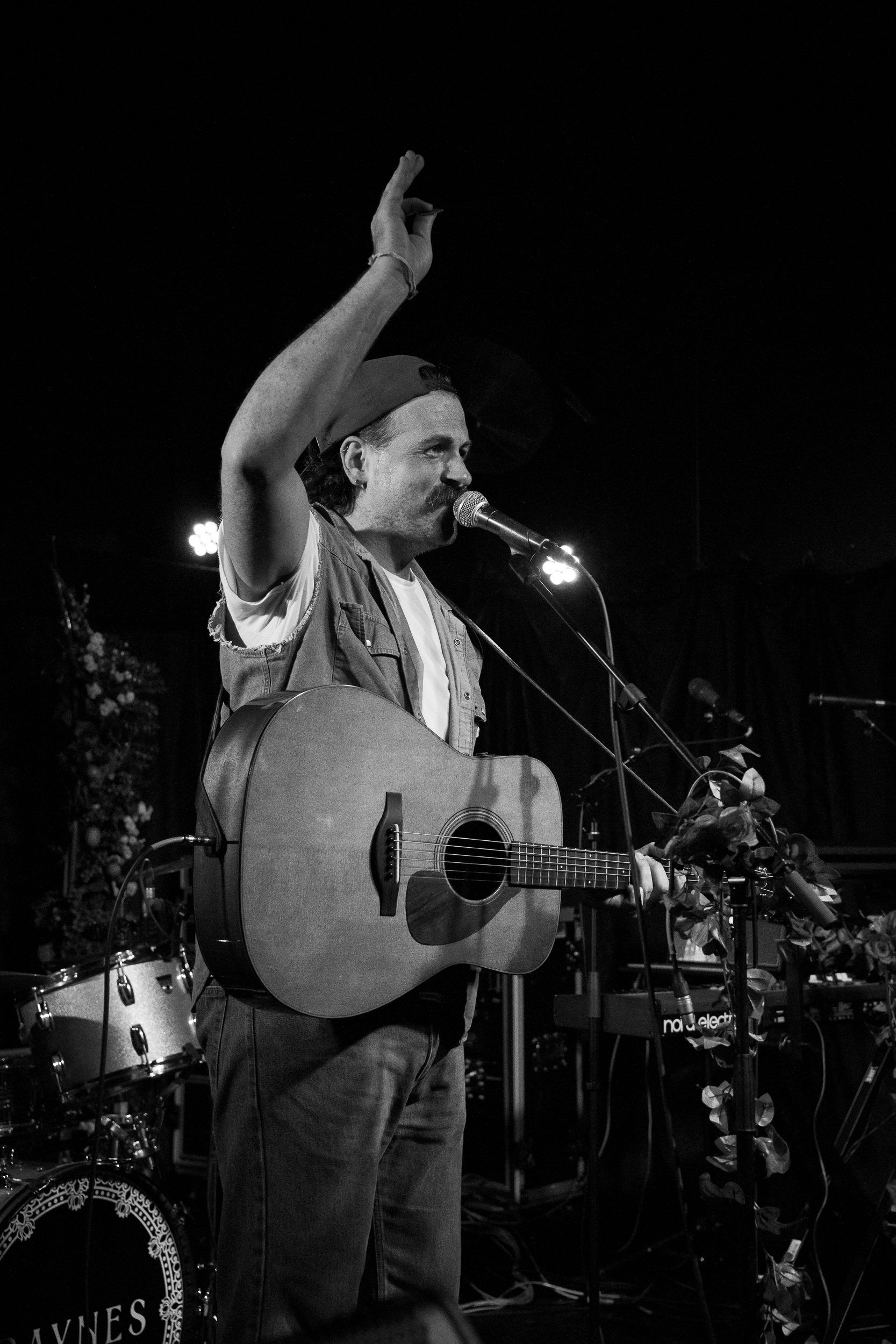
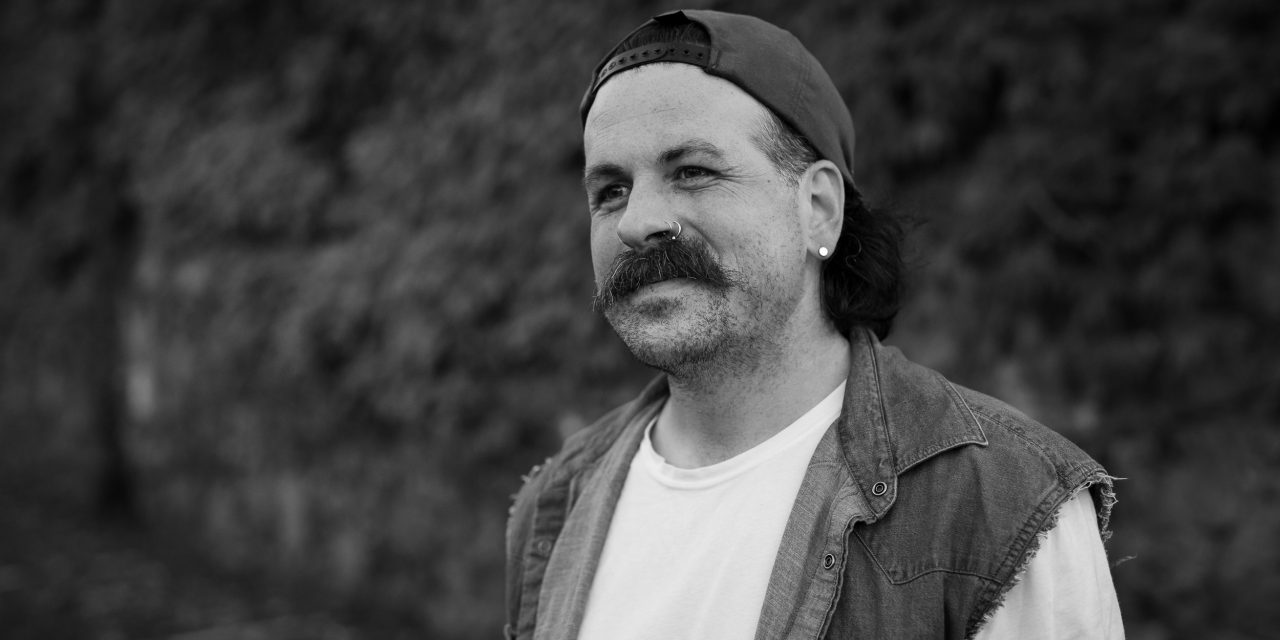
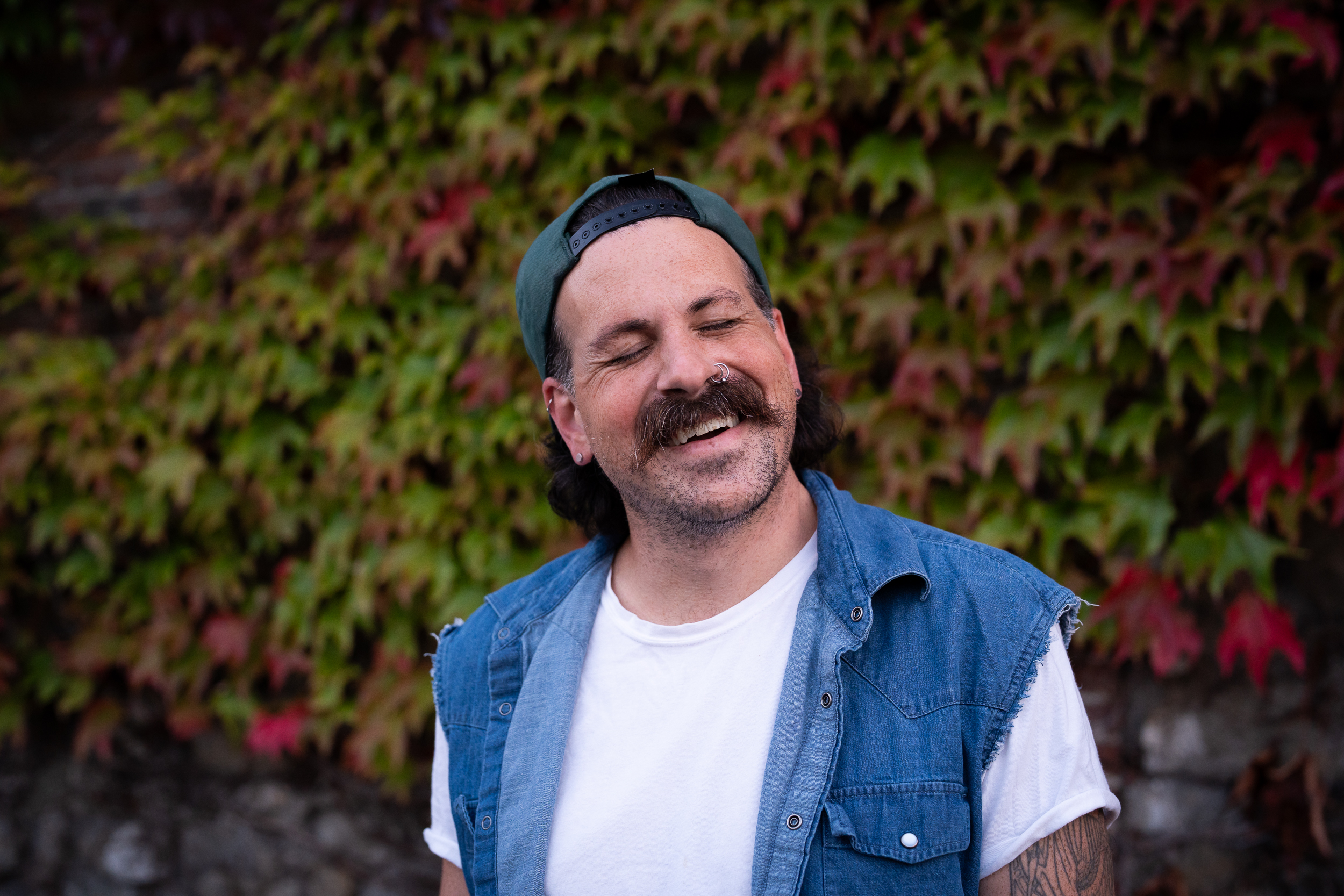
David Wimbish came through Bellingham near the start of his tour with co-headliner Raynes, which is running through December. Before his beautiful, deeply human concert, David was kind enough to set aside time for an interview and portrait session with SMN. As you’ll read below, David is a heart-centered, kind, earnest soul who happens to make truly beautiful music. In testament to just how much his music is resonating with those who hear it, many in the crowd during his hour-long set were singing along to his tracks word-for-word. David has built an incredibly dedicated fanbase over his 12+ years in the music industry, and now making music solo, he’s just getting started.
SMN: You’ve got a new record on the way, you’re hitting the road for three months, you’re a new dad. So the first questions is, on a human level: how are you doing?
David Wimbish: Oh, man. It’s really been a mix and I won’t go into the details, but there’s just been some health stuff within my family that’s made life very complicated and full-time. Yeah, there’s many ways which the last few months have been some of the most difficult months I’ve ever experienced. And so to sort of be in that phase while also… You know, I feel most of my life, my personal life was doing pretty good and my career was not doing well. And now it’s sort of flipped where I’m dealing with all this stuff, but music’s going pretty well. So it’s such a weird brain thing. But I’ve been so relieved for that because on days that are tough, I think, hey, this other thing that I’ve wanted to go well for a long time is going pretty good. So I’m doing really mixed, but in regards to touring and music, I’m doing really well and I feel just so amazing. Every day I just wake up and I’m , I can’t believe it. It’s a nuts feeling to me.
SMN: You’ve got a three month tour you’re now just at the start of. What’s your plan to keep your energy going?
David: I’m a big introvert actually, which this kind of job is not super great for. But when you become a dad being an introvert is also rarely an option. And so, I’ve been noticing already on this tour that just getting to be in the car by myself for a few hours a day is doing so much for me because I’m at such a loss of introvert time. So I show up to the shows having more energy than I have on past tours already, just from that. But I’m really trying to focus on my food this tour and I’ve never done that very well. I’m just trying to be , okay, my body needs something healthy or , don’t just eat a bunch of sugar because and when I think about it I’m because if I start eating a ton of sugar now in two months I’m gonna be just crashed out every day so that’s how I’m trying to take care of my energy. But just clinging on to gratefulness I think.
SMN: How’s the journey of being a new dad?
David: It’s awesome being a parent is the best thing I’ve ever done in my life. It’s incredible. It has changed my entire understanding of what’s important. I think I’ve been feeling that on the road more and more every day because I feel I’m sort of holding everything in my life a bit more loosely than I used to. It used to be , for my identity, I need something else. I need music to work or I need some part of my career to work or some sort of relationship or friendship or whatever. Now it’s sort of “Oh, I get to be a dad.” The best moments of my life, most of them have been in the last year and a half of being a parent. And so everything else is just kind of a gift on top of that.
SMN: You moved to Asheville, and days later the hurricane hit. Your band parted ways. You became a dad, a relationship ended.
David: It was a lot.
SMN: How’d you get through that? What got you through?
David: I remember having a conversation with my therapist actually where I said “I don’t know how much longer I can do this, just life.” I don’t even know what I meant by that, but I woke up every day just thinking how can I keep going? And through this whole conversation, he was said, “well, I just want to point out that you have kept going. Somehow you’re finding a well of energy within you that you didn’t know existed. And maybe the key is just sort of becoming aware or affirming yourself that that actually exists. You keep telling yourself it doesn’t, but then you keep getting up and getting through the day. So maybe that’s it, you know?” So I think that’s one part of it.
And then I think the other part is that it just felt like one of those periods of my life where things needed to be shed from my life. And it’s always painful. It’s always painful to walk through that stuff. But I think some of the getting through it was realizing, okay, I’m scraping off all the rough parts and getting back to this new tender skin. And when you walk on that tender skin, it’s very painful because you don’t have calluses and everything hurts. But eventually you kind of get back up the strength, and maybe I needed to shed off all that old, rough callous for a little bit. So that there’s been sort of a freshness to things since then that I was hoping would be true. And it has been true.
SMN: I feel so much of your work echoes that. Your lyrics are very honest, heart on sleeve, the shedding of the skin, the self-forgiveness or growing into the new incarnation of myself. Is that something that, when you’re singing, you hope listeners pick up from it?
David: Yeah. I was honestly in a weird spot because I kind of figured once my band broke up that I would just be done with music because I’ve been doing this for 12 years, hardcore, never really seemed to grow very much. And I think I just kind of felt maybe the universe or whatever, life is just telling me “you’re not supposed to do this anymore.”
And so, you know, I was going through all that shedding and I was in that spot where it was justI have a recording contract, so I need to make a record. I had the obligation to make an album. And I think this shedding of all that stuff allowed me to write songs that felt very, very real to me. And it also allowed me to write it without thinking about what the listener was going to think. Because I thought “Who cares? This is probably my last record. I don’t need to worry about this. I’m just going to write whatever feels real.”
And so I don’t think I really had it in mind at the time. I hope people get this from that. That’s what felt freeing about making the record. For the first time I didn’t really care what people think. But now, I’m very aware that that is what people are getting out of it. And it feels…I just feel grateful for that to be true. I’m grateful that what lined up was transformation and hopeful songs because I have had records that are less hopeful. You know what I mean?
SMN: Do you feel Heavy Love is a transition and as a reflection of what you’ve been going through in in your own life but also just the evolution of the music in that capacity?
David: Definitely. I was always doing stuff with a band for so long and there’s so many dynamics where you’re trying to make sure everybody feels a part of it, so there was never really a space where I could feel. I was just doing whatever felt true to me musically and lyrically. And so it’s interesting. People have said this record sounds different than the last several records. But I don’t think there was an intentional transition. I think it was truly just, I have space to be myself again for the first time in, you know, 12 years. And I guess that I must have made a transition or been in the middle of a transition that affected that musically or lyrically, if that makes sense.
SMN: Absolutely it does, yeah.
You touched on this a little bit, but I wanted to dive into just a little bit more. What advice would you give to someone who’s really going through it to keep going?
David: I guess I’m just passing on stuff my therapist has said, but something he told me when I was in the worst spot I’ve ever been was that you should not make any major decisions while you are in a really, really bad spot. Depression is self-sabotaging, it’s intentionally self-sabotaging. So whatever thoughts it’s giving you about what you should do is going to be one that tries to tank you. And so if you can hold off on a big change because maybe what you’re thinking in that spot when you’re hopeless is the right thing for you, but probably it actually isn’t. But you won’t know either way until you’re at least in somewhat of a different spot. I appreciate that because it’s not trying to push you to be in a better spot. It’s not “You should get better!” It’s just wait, hold off, let yourself be in a bad spot, but let it be just that.
So I don’t know. That’s what I would pass along because I almost made a lot of very regrettable decisions in that place. And I’m really glad that somebody saved me from that.
SMN: That echoes in your music, too. Thank you for being an advocate for mental health awareness and destigmatizing depression and anxiety. That’s a beautiful thing to be able to process through your work and be able to hand that off to people who are going to come across your music and already have.
David: Thank you. I’m grateful to get to talk about it. I truly am. I wish I had more people around me talking about it at the time. I feel pretty lucky that that seems to be a thing that stuff centers around a little bit.
SMN: One of your choruses is, “I don’t believe in nothing unless it makes me laugh. I don’t believe in something unless it makes me cry.” What makes you laugh the loudest and what makes you cry in the most soul affirming way? You know, ’cause tears of course can be tears of joy and sadness, but what runs that gamut for you right there?
David: I was having a conversation with somebody this week about how one of my favorite things about traveling the US is there’s so many weirdos. You just meet so many weird people. And I love being reminded just this giant gamut of what human beings can be. And right after we had that conversation, I picked up my car, my car broke down. So I picked up my car from this mechanic and the mechanic was mute. He was this old guy who literally had this thing on his throat. And I thought, “why isn’t he talking to me and telling me?” And then for five minutes, he tried to explain basically by going and pointing what was going on with my car and we left and I was just laughing so hard, not laughing at him, of course. But just, this is what I love. This is what I love about humanity is I just had a five minute no talking conversation with this old mute mechanic about my car. And so I don’t know, I think just humanity on both ends, I think it’s humanity. I laugh so much about the full spectrum and then I also do cry about what humans are capable of in terrible ways. Those seem to be the things that feel present in the world right now the most. But I also have cried a lot already this week from just hearing another little kid say “dad, dad” to their dad and me thinking “Oh my God, I miss my kid so much.” So there’s been a few tears shed for that.
SMN: In these increasingly fractured times that we’re living in. What do you feel is the role of the artist? Do you have a responsibility to speak to that?
David: Yeah, you know, that’s an interesting conversation, especially with all the commentary at Sheeran right now and everything going on. It’s something I’ve really pondered about because I think, to me, the complicating factor is the internet. The internet is a really big place for people to feel good about yelling without making a real change in their lives. And so I don’t know that I can speak to the role of the artist. All I know is that for myself, my hope is that my music can create a space that allows people to be more open to compassion. And that song, “Love Song for an Empire,” the whole reason that song came about for me was thinking about how do we exist in a world with people we fundamentally disagree with about very important things, and sort of realizing that there are spaces where action needs to be taken immediately. But then there are other spaces where sometimes the real change is only going to happen through huge amounts of patience and kindness and listening to people that you feel you fundamentally disagree with.
And so trying to navigate which space is which, I’m not sure how to do necessarily. But I do feel I hope that my music and shows create environments that allow people to be better listeners and better at understanding people’s humanity, and and then allowing people who are maybe compromising their own humanity because of a strong opinion, maybe allowing them to realize that they’re compromising their humanity and they have space to open up again. For me that feels what I’m trying to navigate.
SMN: The last question I have, and before I ask it, I just wanted to ask if there’s anything that you wanted to say in the interview?
David: That’s a good question. I have a new record coming out. It’s 16 songs, which is a little absurd. And Heavy Love as a title comes from me realizing that so many of these songs were about being in a relationship to people. And there’s sort of a phrase that was getting really popular online the last couple years. It was “Inconvenience is the cost of not being lonely.” And I really resonated with that because I think we are in a time where we’re so quick to cut people off, cut people out, screw you, blah, blah, which again, I’m not even saying that’s not always appropriate, but I do think we sort of live in a space where we have one of the loneliest generations ever. And then we sort of wonder why.
But we don’t have patience for people. And so I think this record is just exploring that, what it’s to be in romantic relationships, friend relationships, relationships with people that are politically different than us or religiously different than us, or even people that struggle with addiction or depression. And to me, that’s the overall theme of the album. It’s sort of what it’s exploring. And it took, I guess, 16 songs to explore all that.
SMN: The last question I want to leave you with is: what’s one thing that’s giving you hope these days and what’s one thing that’s bringing you joy?
David: Hmm. That’s a great question. What is giving me hope? I think experiencing my own shedding process and how painful it was and then seeing what’s happening in the world and realizing that it’s also painful, but I think it’s causing shedding for a lot of people. And so even though this moment is really painful, I feel some hope in what the ultimate sort of result of the sort of global shedding that our civilization is experiencing can bring in terms of bringing people back down to the basics and how they interact with each other. So that gives me a lot of hope.
Playing music just gives me joy. It really does. I spent most of my career trying not to be just a dude with a guitar. So I had this band that had all these instruments and I was always trying to find cool sounds. And I’ve found myself sort of whittled down to dude with a guitar. And I’ve realized that I love it. I love playing guitar more than anything. I mean, I love singing the most, but I just, I’ve been just sitting and playing all the time and it just brings me unending joy. I’ve been getting really into bluegrass music lately. So that’s a big joy. Listening to a lot of bluegrass.
SMN: And I imagine merging your love of playing guitar with your love of your child, I imagine that’s heart bursting levels of joy. Would that be inaccurate?
David: It’s awesome. Yeah, my partner texted me the other day and said “we were just reading this book and there was a guitar and Ivy just pointed it and goes, “Dada!” And ever since I’ve left on tour, she’s asking to hear my music. You know, she’s only one and a half. So it’s it’s crazy to me that she can even say “I want this song” or whatever. Oh man she’s in love with music, banging around on a piano, strumming a guitar, she loves it. It’s just, yeah…it’s incredibly beautiful.
Interview and photos by Bodi Hallett (Sattva Photo)